

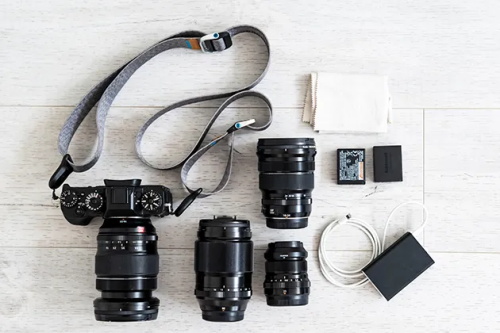
Photography isn’t just about pointing a camera and pressing a button — it’s a doorway into a different way of seeing the world. When you first pick up a camera, you hold more than a device: you take on a new way of perceiving light, color, texture, emotion, and story. For a beginner, this can feel a little unnerving — there are so many technical settings, so many “rules,” and so much advice. But that’s where the real power of photography lies: it gives you permission to slow down, to observe carefully, to notice what most people walk right past.
When you step into photography with an open mind, you begin to rediscover the world. A simple sidewalk, a tree backlit by golden afternoon light, an intimate moment between friends — all of these can become images that matter, images that hold meaning. Photography becomes a tool not just for capturing what is, but for exploring what you feel, what you notice, what you care about. This means your first photographs — even if technically imperfect — can already reflect something deeply personal, unique, and true to how you see the world.
Starting photography also offers benefits far beyond the frame. The act of looking through a viewfinder, watching how light changes, deciding when to shoot, and what to include or exclude transforms the simple act of walking outside into something richer, more intentional. Photography sharpens your attention to detail, teaching you to see patterns, textures, contrasts, and subtle shifts in mood. It encourages a kind of mindfulness — being present, noticing surroundings, and valuing ordinary moments. Over time, this sensitivity doesn’t just make you a better photographer; it gradually changes how you experience everyday life.
In today’s world, many people begin with nothing more exotic than a smartphone camera — and that’s perfectly fine. What matters isn’t expensive gear, but curiosity, patience, and willingness to experiment. You don’t need a fancy lens or the latest body to start capturing meaningful images. The foundation of photography lies in exploring light, composition, perspective, and emotion — and these are free, universal, available to anyone who cares to look.
Light and Exposure: The Core of Every Great Photo
At its heart, photography is about capturing light. The way light hits your subject — its direction, intensity, color and timing — profoundly shapes the mood, clarity, and emotional impact of a photograph. As a beginner, your first task is to pay careful attention to light itself. Try photographing the same scene at different times of day — early morning, golden hour, midday, dusk — and see how the changing light transforms the atmosphere and appearance. Natural light is often the most rewarding and flexible place to start: soft, diffused light (like on overcast days or during early morning or late afternoon) usually yields more flattering, nuanced shots than harsh midday sun. [1]
Once you begin to observe light, the next step is learning how to control how much of it enters your camera. This is done via what photographers call the “exposure triangle,” made up of three settings: aperture, shutter speed, and ISO. [2]
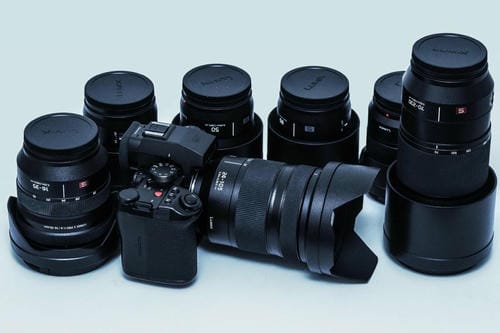
Aperture determines how wide the lens opening is: a wide aperture (low f-number like f/2.8) lets in more light and creates a shallow depth of field — useful for portraits or isolating a subject against a blurred background. A narrow aperture (higher f-number like f/8 or f/11) lets in less light but keeps more of the scene in focus — ideal for landscapes or group photos.
Shutter speed controls how long the camera’s sensor is exposed to light. A fast shutter freezes motion — great for sports, wildlife, or any action. A slow shutter allows motion blur — useful for creative effects like silky water in a stream, streaking traffic lights, or dreamy nighttime scenes. ISO adjusts how sensitive your camera sensor is to light: lower ISO yields cleaner images with less “noise,” while higher ISO increases sensitivity but can introduce graininess.
Learning to balance these three — aperture, shutter, and ISO — is a big step toward predicting how a photo will come out. As you get more comfortable, you’ll begin to instinctively choose settings that fit your vision.
Composition, Practice, and Developing Your Eye
Beyond technical mastery, composition — how you frame and arrange the elements within your photo — is what transforms snapshots into compelling images. Simple techniques like the “rule of thirds” (imagining your frame divided into a 3×3 grid and placing key elements along the lines or intersections) are a great starting point for balanced, visually appealing images.
But composition isn’t just a set of rules — it’s a skill that improves with time and intention. The more you shoot, the more you’ll start noticing patterns of light, shapes, lines, textures, and moods that catch your eye. Many photographers recommend simply shooting as much as possible: treat every walk, every meal, every outing as an opportunity to point your camera and experiment — you don’t need fancy gear or dramatic conditions to learn. [3]
Don’t be afraid to shoot with what you have — even a simple smartphone camera or an entry-level DSLR or mirrorless camera is sufficient when you’re starting out. The value lies not in the gear, but in your growing understanding of light, composition, and timing.
Also, consider shooting in RAW format if your camera supports it. RAW preserves more detail and dynamic range than JPEG, giving you more flexibility in editing — helpful when you’re learning what adjustments help a photo and which don’t. [4]
As part of developing your eye, try varying perspective, experimenting with different focal lengths (wide-angle, normal, telephoto), and exploring different genres — portraits, landscape, street, still life, macro, etc. This helps you discover what kind of photography you enjoy and helps build your visual vocabulary.
Practice is essential. Frequently, it’s less about the perfect shot and more about building muscle memory: learning how your camera behaves, how light shifts, how composition changes mood. Over time, this repeated learning and experimenting will steadily refine your artistic intuition. [3]
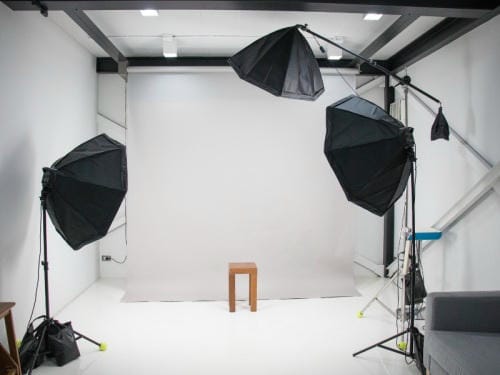
From Fundamentals to Familiarity: Growing Your Photographic Instincts
Once you’ve begun to understand light, exposure, and composition — and have put in plenty of practice — your photography begins to shift from “technical exercise” to something more instinctual and expressive. You’ll begin to anticipate what kind of light will flatter a subject, or what angle will tell a story. You’ll notice how background elements or subtle changes in perspective affect mood.
At that point, the gear you use becomes less of a limitation. Many professionals say longevity in photography comes from curiosity, vision, and patience — not from owning the most expensive camera. As you experiment with different settings, contexts, and styles, you start learning what works for you, what you enjoy capturing, and how you like to represent the world.
You’ll also begin to recognize that good photos are not just about sharpness or perfect exposure — often, they’re about emotion, mood, and meaning. An overcast sky might make a portrait feel moody, a golden-hour light might evoke warmth and nostalgia, a slightly tilted frame might convey spontaneity or unease. Being aware of these subtleties and using them intentionally can transform your photography from simple documentation to expressive art.
And through all this — trial and error, experimentation, repeated shoots — you’ll build a foundation of visual instincts. You’ll start seeing potential photographs everywhere: in ordinary street scenes, quiet moments at home, stray shadows on a wall, subtle expressions, patterns of light and dark. Your camera becomes a tool for capturing more than what meets the eye, but what you feel or notice.
Sources:
[1]: https://www.adobe.com/in/creativecloud/roc/blog/photography/photography-tips-beginners.html
[2]: https://www.masterclass.com/articles/7-essential-technical-and-compositional-tips-for-beginner-photographers
[3]: https://michaelbrion.com/11-tips-for-beginner-photography
[4]: https://www.pixpa.com/blog/photography-tips
References:
https://www.photoworkout.com/photography-tips-beginners
https://www.pexels.com/blog/photography/beginner-photography-guide
https://www.pixpa.com/blog/photography-tips

Couple
Five Essential Photography Styles Every Couple Should Know
Photography is more than simply pointing a camera and clicking. For couples planning a wedding—or any shared life event—understanding photography styles can shape how memories are captured and preserved.
Influence
The Interwoven Influence of Global Traditions and Local Identities on Contemporary Photography
Photography is a universal language that communicates visual meaning across geographic, social, and cultural boundaries.
Subtle
Soft Light and Subtle Surfaces in Everyday Things
Photography often seduces us with sweeping panoramas and bold drama. Yet, there exists another kind of beauty — subtle, intimate, and deeply contemplative.